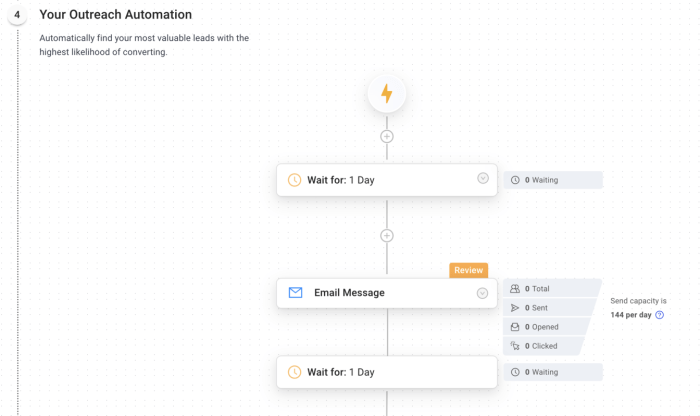
In today’s fast-paced real estate environment, CRM tools for direct outreach are revolutionizing how agents connect with potential clients. These digital solutions empower real estate professionals to streamline their communication efforts, ensuring that no lead goes unnoticed while enhancing overall marketing strategies. Understanding the capabilities of these tools is key to optimizing outreach and building lasting relationships in the industry.
From automating follow-ups to segmenting target demographics, CRM tools offer a robust framework that can elevate a real estate agent’s approach to outreach. By integrating these tools into their workflow, agents can manage prospects more efficiently, leading to increased conversions and successful transactions.
Understanding CRM Tools for Direct Outreach
CRM tools designed for direct outreach are essential for real estate professionals looking to enhance their communication and engagement with potential clients. These tools provide an array of features that support agents in building and maintaining relationships, managing interactions, and streamlining their outreach efforts. By leveraging these functionalities, agents can ensure that they are not only reaching out effectively but also managing their contacts in a way that fosters long-term relationships.One of the primary advantages of CRM tools is their ability to organize and automate communication processes.
With features such as email tracking, scheduling, and follow-up reminders, agents can stay on top of their outreach efforts. Additionally, CRM systems allow for easy segmentation of contacts, enabling personalized communication tailored to specific client needs or preferences. This level of organization helps agents respond promptly to inquiries and maintain a consistent communication flow, which is crucial in the fast-paced real estate market.
Features and Functionalities of CRM Tools
The features of CRM tools are designed to facilitate effective direct outreach for real estate transactions. These functionalities play a crucial role in helping agents interact with clients seamlessly. Some of the key features include:
- Contact Management: CRM tools allow agents to store and manage extensive contact details efficiently. This includes names, addresses, phone numbers, and communication history, ensuring that agents have all necessary information at their fingertips.
- Lead Tracking: By tracking leads from various sources, agents can identify potential clients and monitor their engagement with marketing efforts, allowing for timely follow-ups.
- Email Campaigns: Agents can create and send targeted email campaigns directly from the CRM, enabling personalized outreach based on client interests and behavior.
- Reporting and Analytics: These tools offer insights into outreach effectiveness, helping agents understand what strategies yield the best results and allowing them to adjust their approach accordingly.
Streamlining Communication Between Agents and Clients
Effective communication is vital in real estate, and CRM tools are designed to streamline this process. By providing a centralized platform for interaction, agents can ensure that their communication is consistent and professional. The integration of various communication channels, such as email, text messaging, and even social media, within a single tool allows agents to engage clients in their preferred manner.A notable aspect of CRM tools is their ability to automate routine tasks.
For instance, automated reminders for follow-ups or scheduled messages can significantly enhance an agent’s efficiency. This ensures that no potential client slips through the cracks due to oversight, ultimately boosting conversion rates.
Benefits of Using CRM Tools in Real Estate Transactions
Utilizing CRM tools for direct outreach in real estate transactions presents several significant benefits. These advantages not only enhance the agent’s workflow but also improve client satisfaction and engagement. Key benefits include:
- Improved Client Relationships: By maintaining detailed records of client interactions and preferences, agents can cater their services to better meet client needs.
- Time Efficiency: Automating repetitive tasks allows agents to focus on high-value activities, such as closing deals and building relationships.
- Enhanced Collaboration: When multiple agents work together, CRM tools facilitate communication among team members, ensuring everyone is on the same page regarding client interactions.
- Data Security: Modern CRM systems prioritize data security and compliance, providing agents and clients with peace of mind regarding sensitive information.
CRM Tools in Real Estate Marketing

CRM tools have revolutionized the marketing strategies of real estate agents and realtors, enabling them to efficiently manage client relationships and streamline their outreach efforts. With the competition in the real estate market intensifying, leveraging these tools can significantly enhance an agent’s ability to connect with potential buyers and sellers, ultimately driving sales and fostering long-term relationships.By integrating CRM tools into their marketing strategies, real estate professionals can segment their audience, track interactions, and automate communication.
This ensures that messages are tailored to the specific needs and interests of different demographics, leading to higher engagement rates and conversions. For instance, agents can utilize CRM data to understand client preferences, leading to more personalized property recommendations that resonate with their target audience.
Targeting Specific Demographics in Real Estate Marketing
To effectively reach specific demographics within the real estate market, CRM tools provide valuable insights that can be employed in targeted campaigns. By analyzing data such as age, location, and buying behavior, agents can tailor their marketing efforts to meet the unique needs of various segments. This not only increases the efficiency of outreach but also enhances the relevance of communications.Some methods for utilizing CRM tools to target specific demographics include:
- Data Segmentation: Organizing leads into categories based on shared characteristics like first-time buyers, investors, or luxury home seekers allows for more precise marketing strategies.
- Personalized Communication: Utilizing automated messaging tailored to specific interests ensures that clients receive information that is relevant to them, improving engagement rates.
- Behavior Tracking: Monitoring client interactions with listings or advertisements helps identify what types of properties attract specific demographics, allowing for targeted follow-ups.
The impact of these strategies can be demonstrated through successful outreach campaigns. For instance, a real estate agency in California implemented a CRM-based campaign that targeted millennials looking for starter homes. By segmenting their audience and sending tailored content, including market trends and financing options, they saw a 30% increase in engagement and a 15% rise in closed deals over a six-month period.
“Utilizing CRM tools can make all the difference in understanding and meeting the needs of targeted demographics in the real estate market.”
Integrating CRM tools not only streamlines operations but also empowers real estate agents to create meaningful connections with clients. By focusing on personalized marketing strategies, agents can enhance their outreach efforts and position themselves as trusted advisors in the competitive real estate landscape.
Integrating CRM Tools with Real Estate Processes
Integrating CRM tools into real estate processes can significantly enhance efficiency, communication, and overall project management. With the unique demands of the real estate market, these tools provide a structured approach to handle various aspects of buying, selling, and managing properties. This section delves into how CRM tools fit seamlessly into real estate workflows, from building a home to managing commercial properties.
Integrating CRM Tools into Home Building Workflows
The home building process involves numerous stakeholders and phases, from initial land acquisition to final construction. CRM tools can streamline these interactions, ensuring that everyone stays informed and tasks are completed on time. Key integrations include:
- Project Management: CRM tools can schedule tasks, assign responsibilities, and set deadlines, which becomes crucial during the various stages of home construction.
- Communication Channels: These systems facilitate communication among architects, contractors, and clients through centralized messaging and notifications.
- Document Management: Storing blueprints, contracts, and permits in a CRM allows easy access and tracking of essential documents.
- Client Relationship Management: By keeping track of client preferences and feedback, CRM tools help builders tailor their offerings, ensuring higher customer satisfaction.
Using CRM Tools for Buying Real Estate and Managing Commercial Property
The purchasing process in real estate can be complex, often involving negotiations, financing, and legal considerations. CRM tools can facilitate these processes by providing a comprehensive overview and management capabilities.The benefits of CRM in this context include:
- Lead Tracking: CRM tools allow agents to manage leads effectively, tracking interactions and follow-ups to nurture potential buyers.
- Market Analysis: Integration with market data allows real estate professionals to analyze property values and trends, enhancing decision-making during acquisitions.
- Transaction Management: Keeping all transaction details, from offers to closing documents, within the CRM helps streamline processes and reduce the risk of errors.
- Property Management Features: For commercial properties, CRM tools can assist in tenant management, lease tracking, and maintenance requests, providing a holistic view of property performance.
Comparison of CRM Tools for Real Estate Investing
Numerous CRM tools cater specifically to the real estate industry, each offering unique features tailored to the needs of investors and agents. Understanding these differences is crucial for selecting the right tool.Here’s a comparison of some popular CRM options:
| CRM Tool | Key Features | Best For |
|---|---|---|
| Salesforce |
|
Large teams needing extensive customization |
| Zoho CRM |
|
Small to medium-sized businesses |
| Follow Up Boss |
|
Real estate agents focused on lead conversion |
| Real Geeks |
|
Agents and teams needing lead generation tools |
Ultimate Conclusion
As we have explored, leveraging CRM tools for direct outreach not only simplifies the communication process but also significantly boosts marketing effectiveness in real estate. By adopting these technologies, agents can seamlessly connect with potential buyers and sellers, creating a more dynamic and engaging real estate experience. Ultimately, the right CRM tool can be a game-changer, fostering relationships that drive growth and success in this competitive market.
Popular Questions
What are the key features of CRM tools for outreach?
Key features include lead tracking, automated communication, analytics, and customizable workflows to engage potential clients effectively.
How can CRM tools improve communication with clients?
They provide centralized contact management, allowing agents to send targeted communications and follow-ups tailored to individual client needs.
Can CRM tools help in managing multiple properties?
Yes, many CRM tools offer property management features, enabling agents to track listings, manage inquiries, and streamline transactions across multiple properties.
Are there specific CRM tools designed for real estate?
Absolutely! Some popular CRM tools tailored for real estate include Salesforce, HubSpot, and RealtyJuggler, each with features that cater specifically to the industry.
How can I measure the success of my outreach campaigns using CRM tools?
You can analyze metrics such as response rates, conversion rates, and the overall ROI of campaigns to assess the effectiveness of your outreach efforts.